
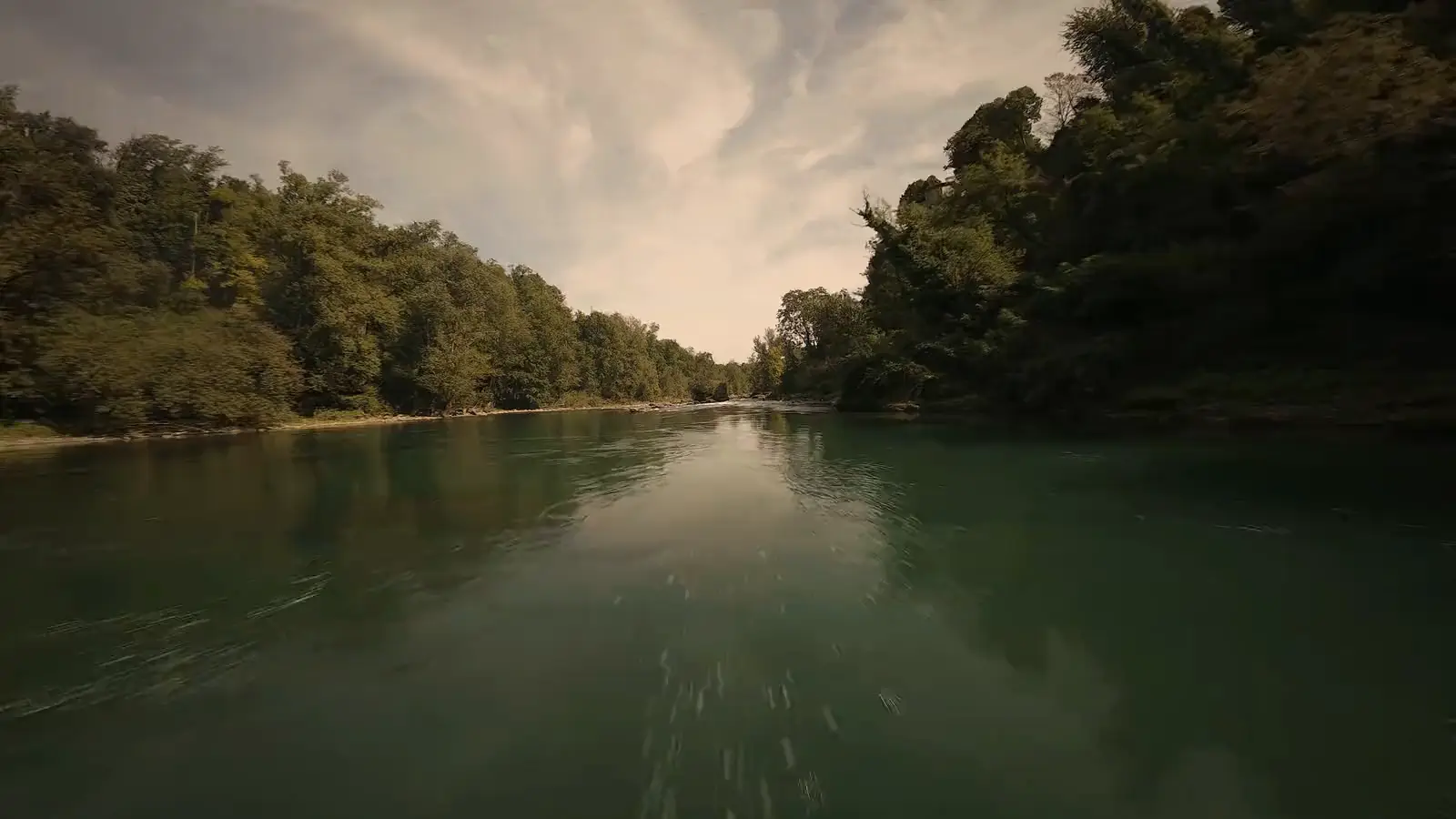
Heat, made visible.
Uncooled thermal camera modules, FPV thermal cameras and low-light visible modules for equipment makers, drone builders and system integrators — with configuration, samples and order follow-up handled by one team.
Illustrative footage
- 640 × 512Thermal resolution, up to
- ≤ 40 mKListed NETD, MINI series
- 60 HzFrame rate, MINI 384-2 and 640-2
- 0.00001 luxDL-W5010 low-light camera, listed minimum illumination
- 125°DL-W5010 low-light camera, field of view
The complete imaging lineup.
Thermal cores, FPV thermal cameras, visible camera modules and infrared optics. Compare the listed specifications, then request samples for your configuration.
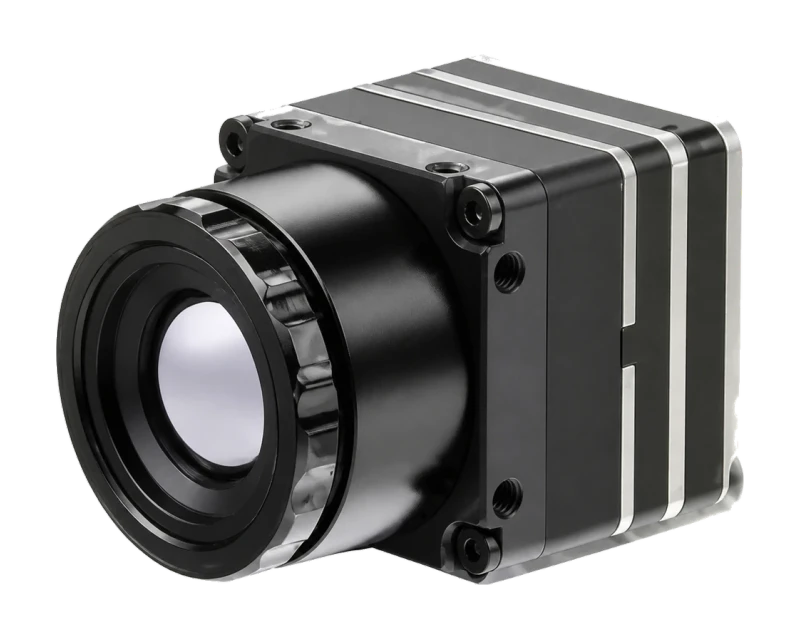
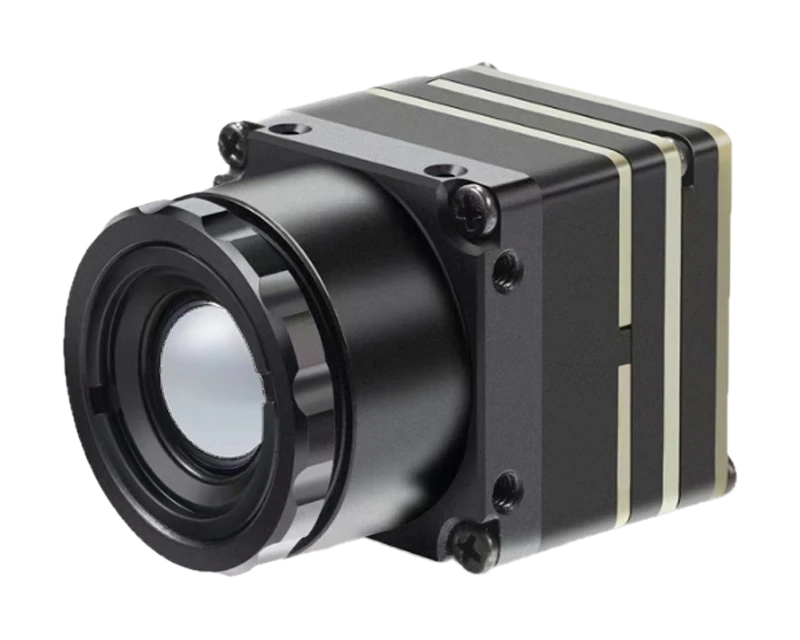
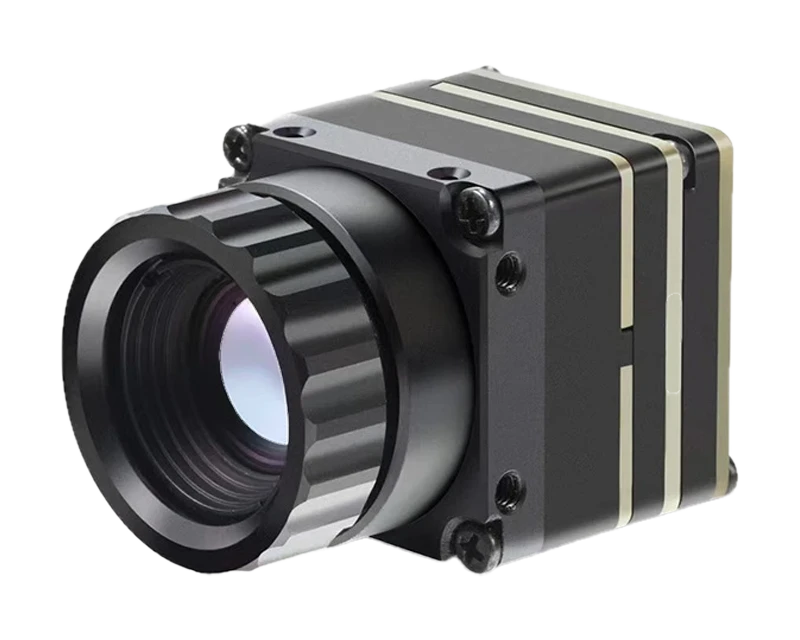
MINI 640-2
A compact core for thermal observation.
- Resolution
- 640 × 512
- Pixel pitch
- 12 μm
- Detector frame rate
- 60 Hz
MINI 640-2 Radiometric
Thermal image and temperature data on one cable.
- Resolution
- 640 × 512
- Measurement range
- −20°C to 650°C
- Typical accuracy
- ±2°C or ±2%
MINI 384-2
A 384 × 288 core for compact thermal designs.
- Resolution
- 384 × 288
- Pixel pitch
- 12 μm
- Frame rate
- 60 Hz
MINI 256-2
The entry point to LWIR thermal imaging.
- Resolution
- 256 × 192
- Pixel pitch
- 12 μm
- Frame rate
- 50 Hz
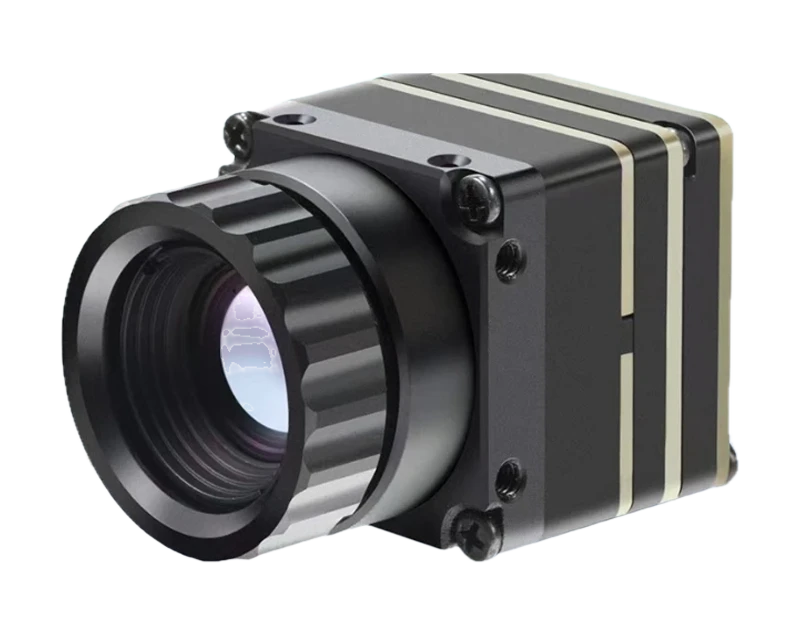
FPV Thermal 256 / 384 / 640
Three resolutions. One compact 20 mm body.
- Highest resolution
- 640 × 512
- 384 and 640 versions
- 50 FPS
- NETD
- 40 mK
9.1 mm F0.8
A lens option for the MINI 640-2 platform.
- Focal length
- 9.1 mm
- Aperture
- F0.8
- Field of view
- 48.74° × 39.01°
1.2MP CVBS Camera
Colour by day. Black-and-white by night.
- Output resolution
- 800 TVL
- Minimum illumination
- 0.01 lux
- Signal-to-noise ratio
- ≥ 46 dB
Flying after dark.
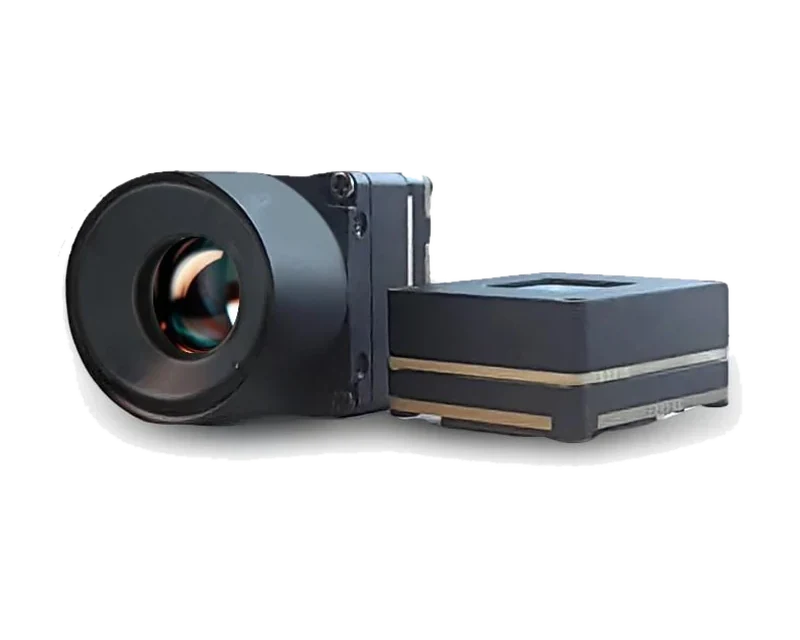
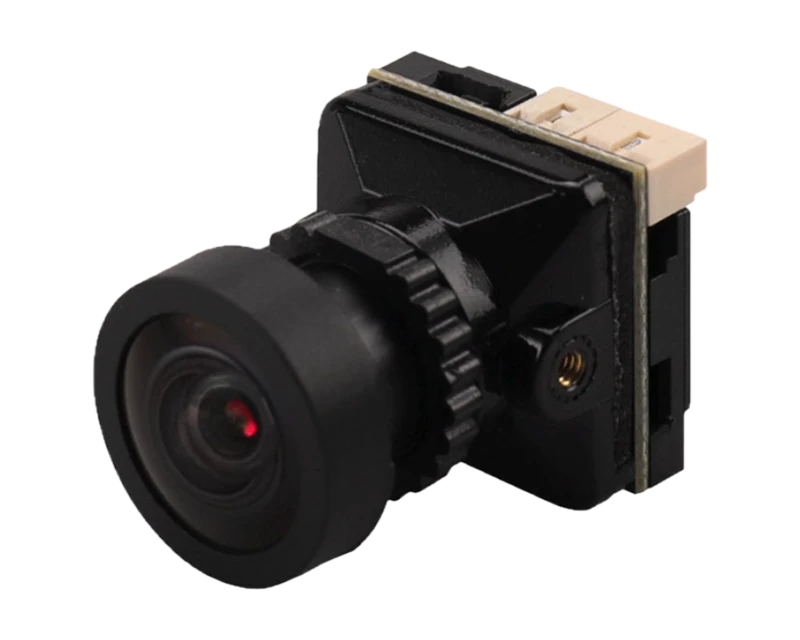
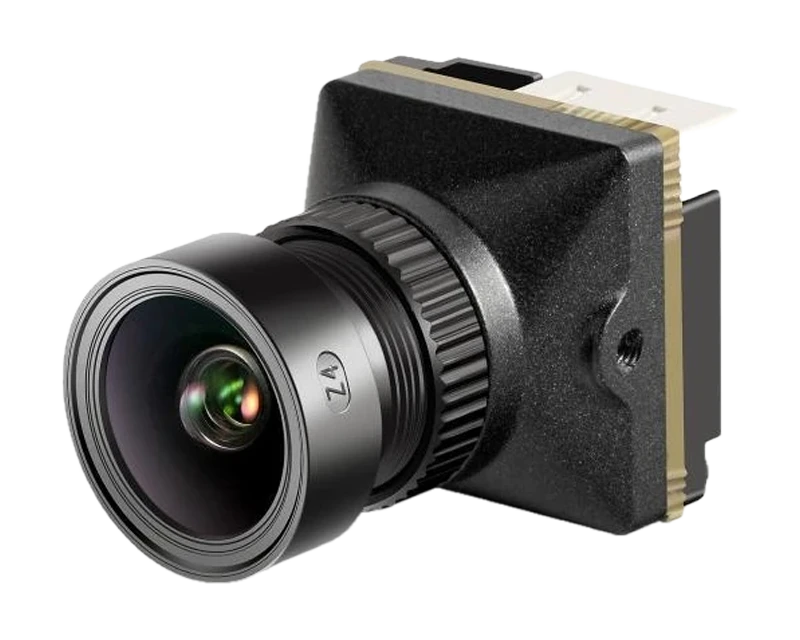
DL-W5010 is a low-light FPV camera with a 1/1.8-inch sensor, 1500 TVL and a 125° view on a 19 × 19 mm board, sending CVBS video in PAL or NTSC. It needs a little light, such as moonlight or street lighting; in complete darkness, the FPV thermal camera sees heat instead.
- Listed minimum illumination
- 0.00001 lux
- Resolution
- 1500 TVL
- Field of view
- 125°
- Board footprint
- 19 × 19 mm
Made on a real production line.
Assembly, lens alignment, soldering, inspection and image testing, photographed at the production line of our long-term manufacturing partner.
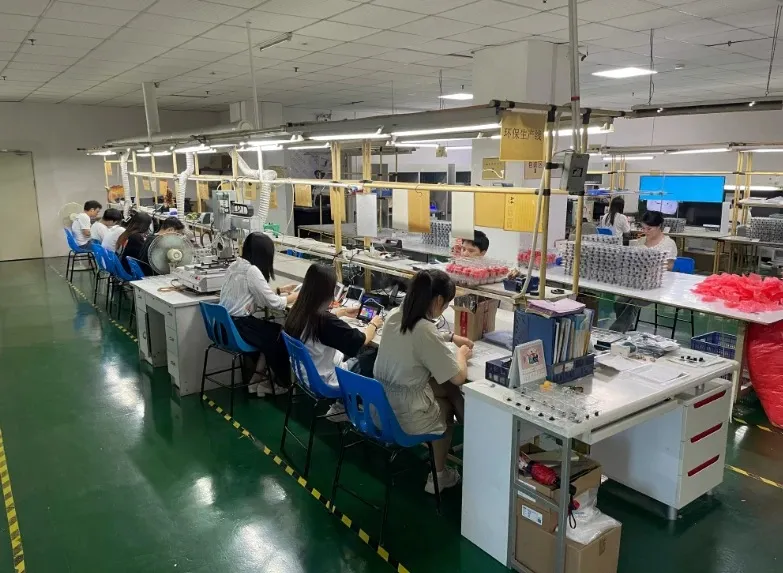
Assembly line 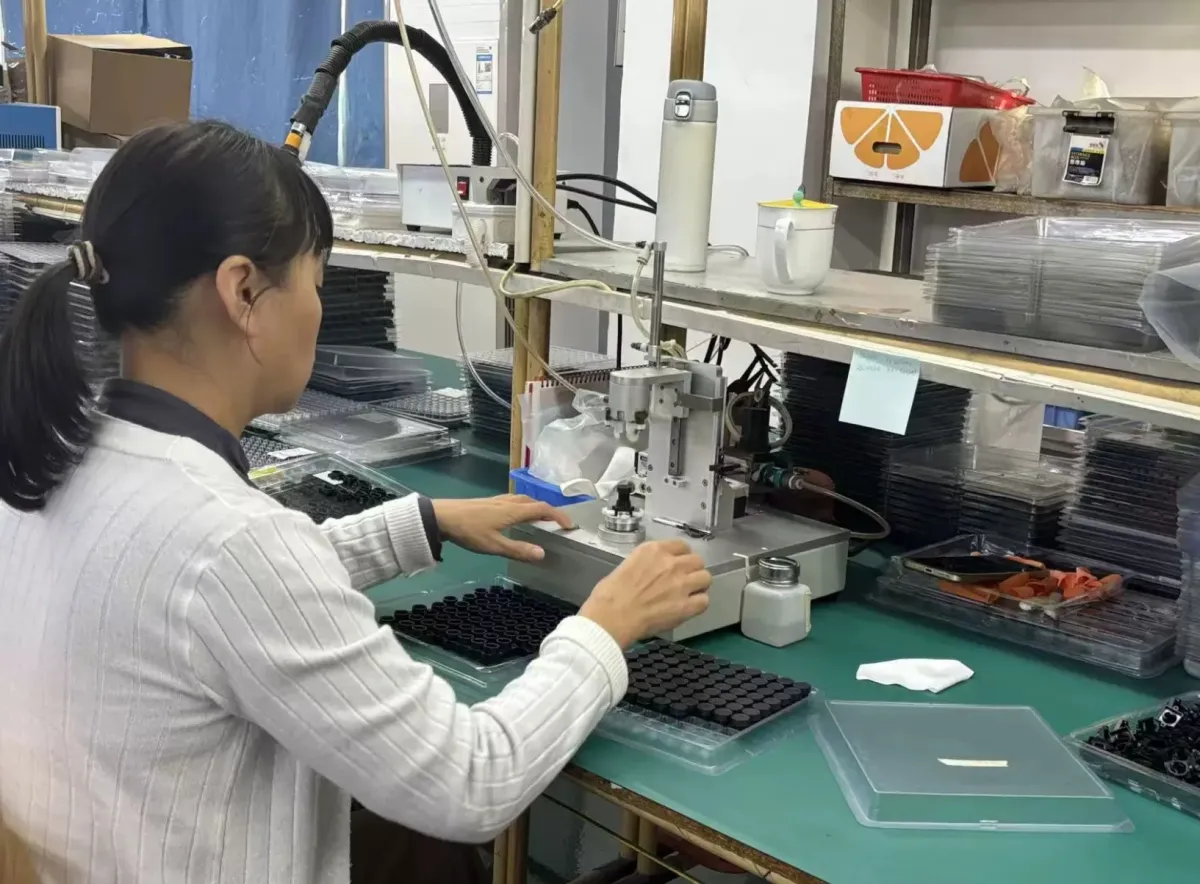
Lens assembly 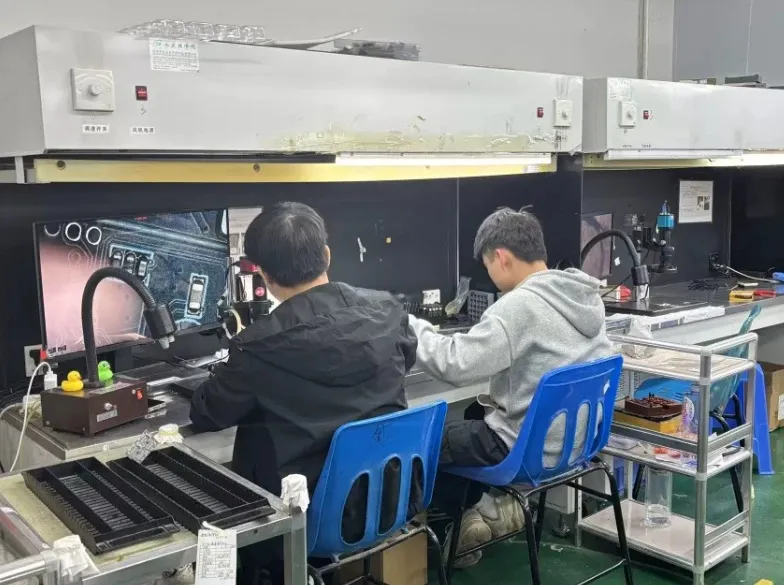
Microscope inspection 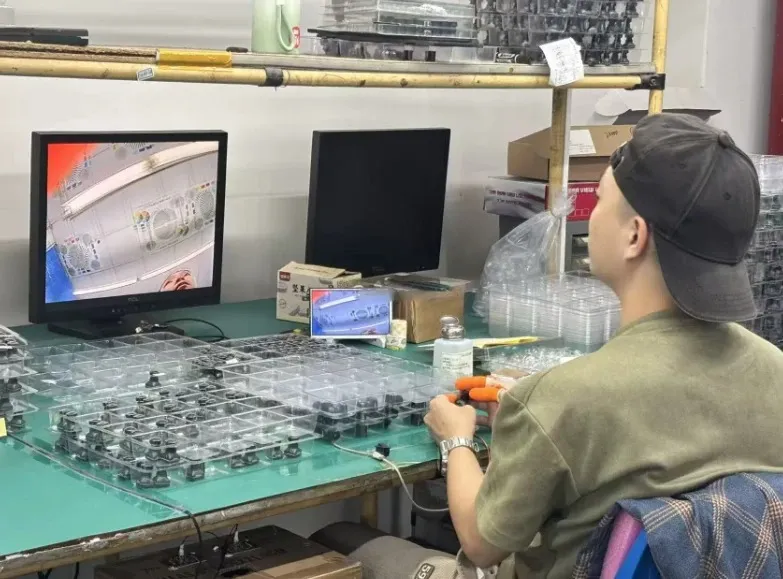
Image testing 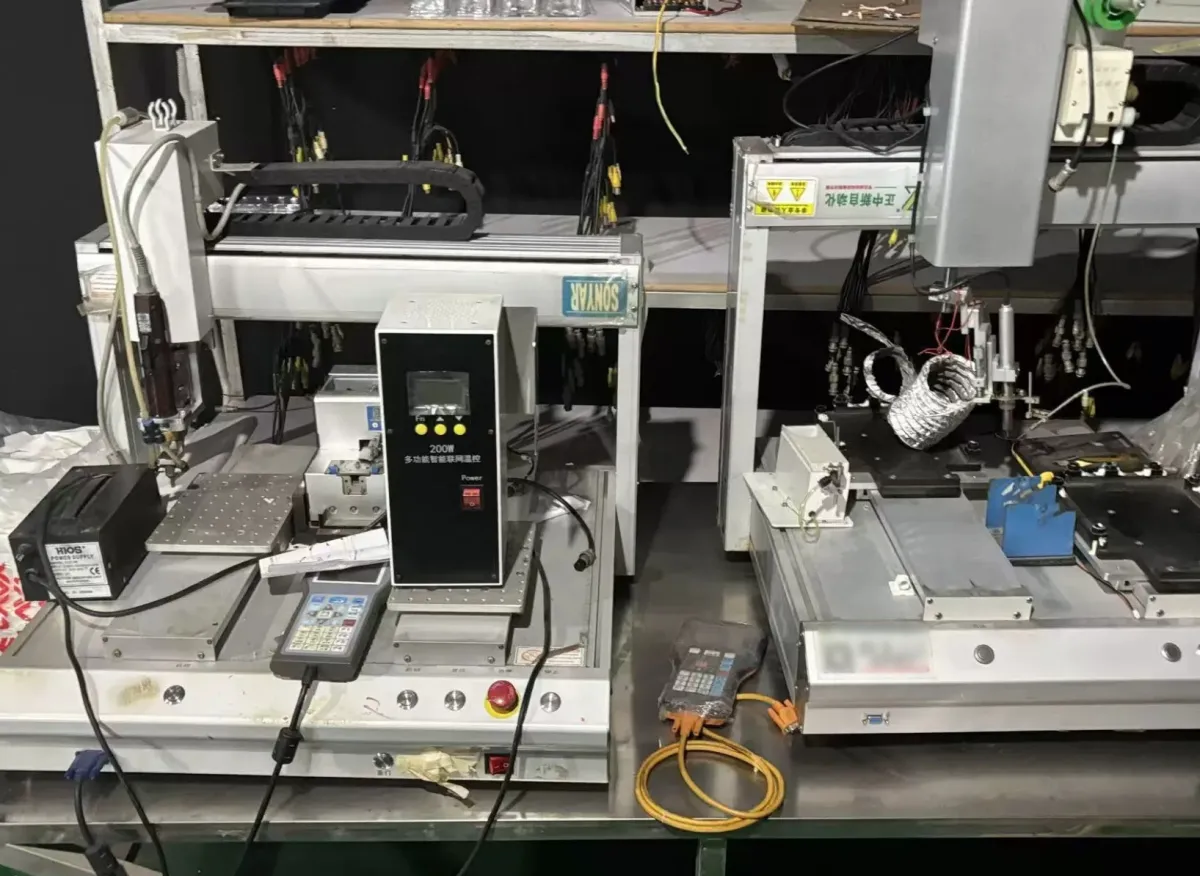
Automated soldering 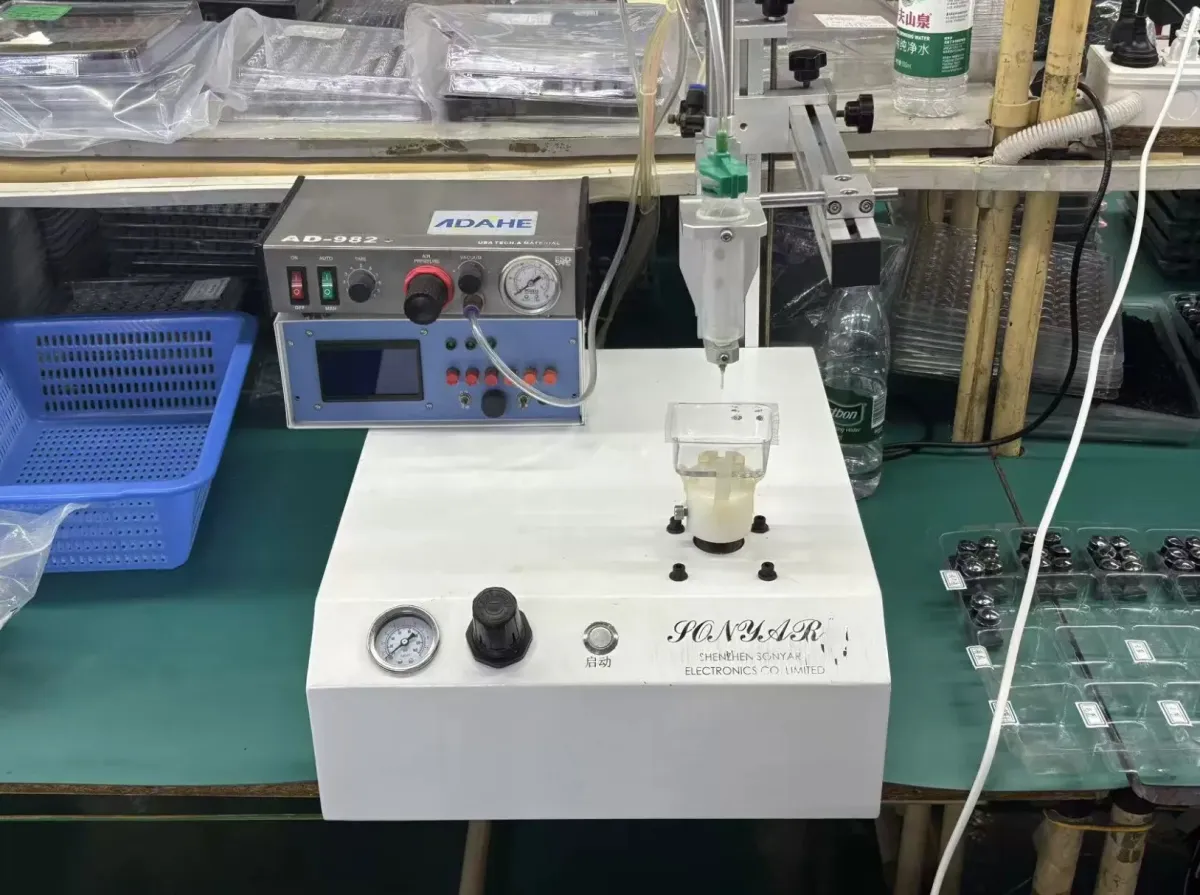
Glue dispensing 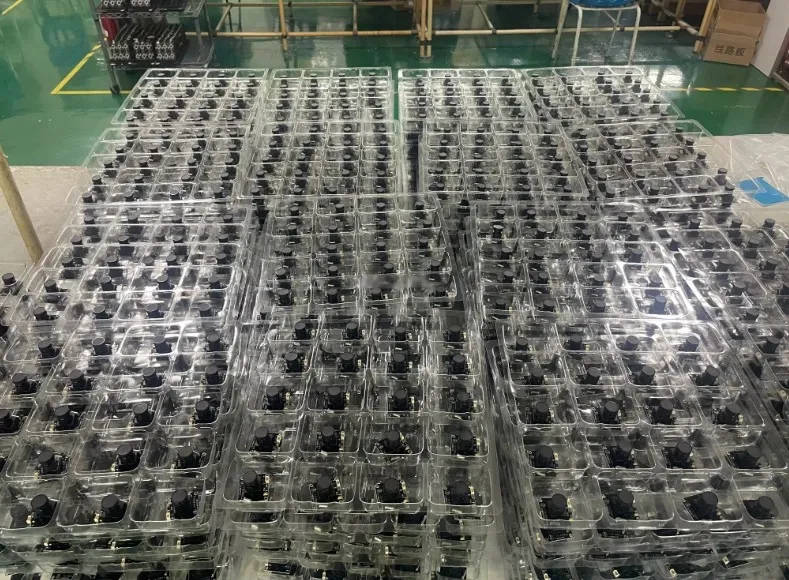
Finished modules 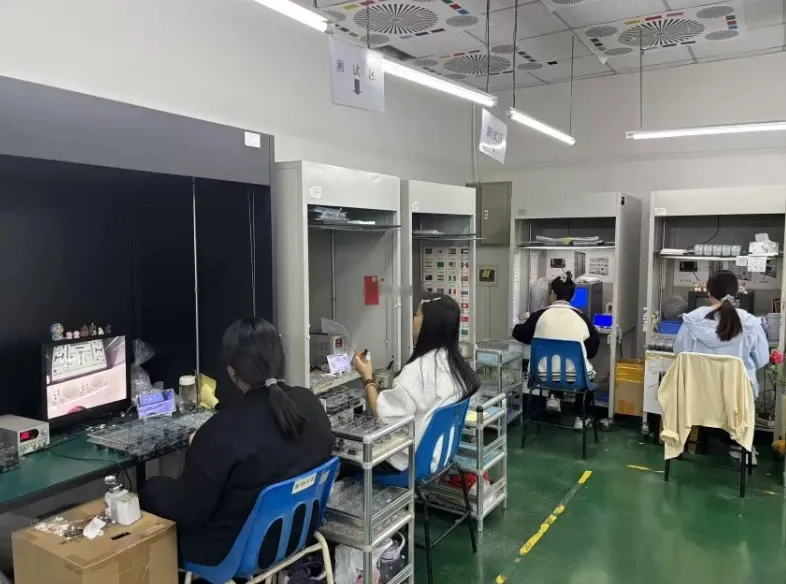
Test area
TORSUN is a trading company. We coordinate your configuration, samples and orders with this manufacturing partner.
Thermal imaging in use.
From night-time observation to equipment integration: explore what a thermal image adds to the system.
 Aerial thermal inspectionExplore application
 Night & perimeter observationExplore application
 Industrial thermal observationExplore application
 OEM thermal integrationExplore application
All applicationsIllustrative application scenes
Your specification. One point of coordination.
We work with you and the supplier to clarify the configuration, confirm the sample and follow the order through the agreed next steps.
A brief suppliers can respond to
Application, lens, interfaces and mechanical limits are brought into one configuration discussion.
A sample you can evaluate against
The model, lens, connections and included items are recorded so your team knows what is being reviewed.
Follow-through after the quotation
Supplier updates, documents and open questions have a clear point of contact as the order progresses.
Useful information.Before you order.
Product overviews and practical checklists for a better configuration discussion.
How wide, how far: choosing a lens for a 640 × 512 thermal core
Choose a lens for a 640 × 512 thermal core: coverage width, pixel size and measuring distance for 9.1, 13.5 and 18 mm lenses, and the horizontal-or-diagonal check for wide angles.
USB, MIPI or DVP: getting temperature data out of a radiometric thermal core
How temperature data leaves a radiometric thermal core over USB, MIPI CSI-2 or DVP, why analog video cannot carry it, and five questions to ask before design-in.
“±2°C or ±2%”: what a radiometric module’s accuracy figure means on a real target
What a radiometric module’s “±2°C or ±2%” accuracy covers, and what matters more on a real target: emissivity, reflections, spot size, distance, windows, ambient temperature and NUC.
Buying imaging modules from TORSUN
Understand TORSUN’s trading role, sample enquiries, quotation scope, documentation and order confirmation for imaging components.
Tell us what your system needs.
Share the application, configuration and quantity. We will help define the next sourcing step. We reply within 24 hours on working days.
- Tel · WeChat · WhatsApp
- +86 180 2518 5996
- info@torsuntech.com